

Headless Commerce for Electronics Distributors: How to Handle RFQ Workflows and Part Number Search at Scale
Electronics distribution is one of the most technically demanding categories in B2B eCommerce. Engineering procurement teams search by part number, manufacturer, specification, and lifecycle status simultaneously. RFQ workflows involve multiple stakeholders, approval chains, and negotiated pricing before a single order is placed. Lead times and stock availability change daily.
A generic B2B storefront does not handle any of that well. And going headless does not automatically fix it either.
This guide is for electronics distributors, semiconductor suppliers, and electronics manufacturers evaluating whether headless commerce is the right architecture for their operation, and what the real problems are that need solving first.
TL;DR
| Headless commerce gives electronics distributors the front-end flexibility to build part number search, RFQ workflows, and engineering procurement experiences that generic storefronts cannot deliver. But it only works when the back-end infrastructure, ERP sync, live inventory, real-time pricing, and product data are solid first. Build from the back end forward. |
What Is Headless Commerce?
Headless commerce is a setup where the front end of the website is separated from the back-end commerce system. The back end manages products, pricing, orders, and inventory, while the front end is built separately and connects through APIs. This gives businesses more flexibility to create different buying experiences for different channels or customer types.
Why Electronics Distribution Is a Different Problem from Standard B2B eCommerce
Most B2B eCommerce problems look the same on the surface. Customer-specific pricing. Bulk ordering. Account management. PO workflows. Electronics distribution has all of those, plus a layer of technical complexity that most platforms were not designed around.
What makes electronics distribution operationally different
- Part number precision: An engineering buyer is not browsing categories. They arrive with an exact manufacturer part number, a required quantity, and a lead time requirement. The search must return the right result on the first query, not a list of approximations.
- Specification-driven search: Buyers frequently search by technical attributes, voltage rating, package type, operating temperature range, or RoHS compliance status, not product name or category.
- Multi-source and cross-reference complexity: The same component is often available from multiple manufacturers under different part numbers. A procurement engineer needs to see authorized alternatives when their preferred part is on allocation or end-of-life.
- Real-time availability and lead time: Electronics buyers make sourcing decisions based on stock levels, warehouse location, and delivery windows. A product that shows as in stock but is not available at the right quantity or location creates immediate trust damage.
- RFQ for non-standard quantities or pricing: Large orders, contract pricing, and volume commitments almost always go through a formal RFQ process before an order is placed. That workflow is entirely absent from standard eCommerce checkouts.
What matters commercially is that all of this affects speed-to-quote, order confidence, and whether buyers stay inside your portal or route back to email and sales reps.
Part Number Search Is Not a Search Bar Problem
This is the most common misunderstanding in electronics eCommerce platform discussions.
Adding a search bar, even a sophisticated one, to a platform with poorly structured product data does not produce accurate part number search results. It produces approximate results with enough noise that engineering buyers abandon the search and go to a distributor whose data is cleaner.
What accurate part number search actually requires
- Manufacturer part numbers (MPNs) as a primary indexed attribute, not a field buried inside a product description
- Cross-reference data mapping MPNs across manufacturers to authorized equivalents and substitutes
- Technical attribute indexing that allows faceted filtering by specification values, not just keyword matching
- Lifecycle status fields that flag parts as active, end-of-life, not recommended for new designs, or on allocation
- Partial and fuzzy MPN matching for buyers who know most of a part number but not all of it
- Real-time availability at the variant level, meaning at the exact quantity break, not just a generic in-stock flag
Better search is not just a UX upgrade. It reduces quote friction, lowers rep dependency, and shortens the path from search to RFQ.
Once that data structure is in place, headless commerce gives you the flexibility to build a search interface that engineering procurement teams will actually use. Without it, headless gives you a beautifully rendered set of wrong results.
RFQ Workflows Cannot Be Retrofitted onto a Standard Checkout
The RFQ process in electronics distribution is not a simple quote request form. It is a workflow involving multiple line items, technical specifications, quantity tiers, alternative part suggestions, lead time negotiations, and approval chains on both the buyer and seller side.
Most eCommerce platforms treat RFQ as a secondary workflow bolted onto a standard checkout. For electronics distributors, RFQ is often the primary transaction path for high-value or high-volume orders.
What a properly built RFQ workflow looks like
- Buyers build a multi-line BOM (bill of materials) request directly from part number search results
- Each line item carries quantity, required delivery date, and acceptable alternative flag
- The system checks real-time availability and pricing rules and surfaces contract pricing where applicable
- The distributor’s team reviews, adjusts availability or alternatives, and returns a formal quote within a defined SLA
- The buyer approves the quote and converts to a purchase order with a single action
- The PO syncs to ERP for fulfillment without manual re-entry
Building that workflow on a traditional storefront template requires significant custom development regardless of the platform. Headless architecture gives you the front-end control to build the RFQ experience natively into the portal UI without fighting the platform’s standard checkout assumptions.
That is where headless earns its place for electronics distributors, not as a design preference, but as a structural requirement.
What Procurement Teams Actually Need to Move Faster
Electronics buyers do not need a more impressive portal. They need a faster path from part search to approved order.
In practice, the highest-value improvements usually come from:
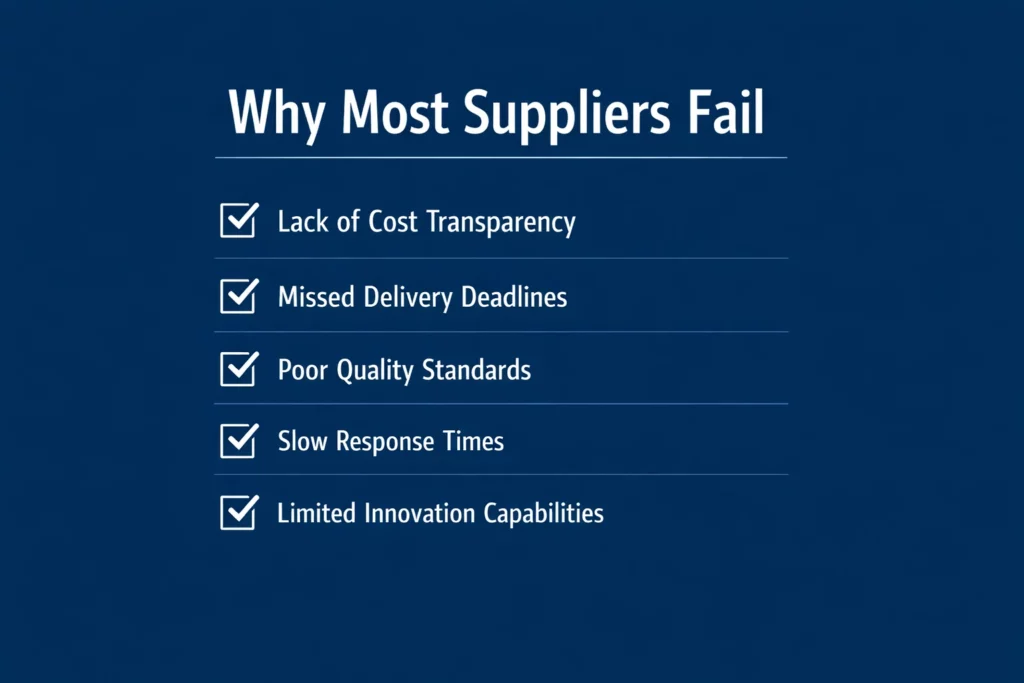
If those workflows are slow, buyers do what they always do in B2B: they email someone, attach a spreadsheet, and wait.
A strong digital experience in electronics distribution is one that removes that fallback behavior.
Why Headless Makes Architectural Sense for Electronics Distributors
With the specific requirements of electronics distribution in mind, headless becomes a logical architectural choice for a clear reason. The buyer experience required by engineering procurement teams is genuinely different from what any standard platform storefront can deliver without heavy customization.
Where headless provides real value for electronics distributors
- Custom part number search interface with MPN, specification, and cross-reference search built as a first-class feature, not a plugin
- BOM upload and quote conversion, allowing engineering buyers to upload a spreadsheet of part numbers and quantities and convert it to an RFQ in one workflow
- Parametric filtering by technical specification that behaves like a component selection tool, not a product filter
- Account-specific portal branding for distributors managing named accounts, where each buyer sees a tailored experience
- Real-time availability and pricing display pulling live from ERP without caching delays that create ordering errors
- Multi-approval RFQ flows that mirror the buyer’s internal procurement process
All of these are front-end experiences built on top of a robust back-end. The headless architecture allows each of them to be built exactly as the buyer workflow requires. The platform’s native storefront would require compromises on every one.
ERP and Inventory Sync: The Non-Negotiable Foundation
Before any headless front-end conversation, electronics distributors need reliable ERP integration. It is the foundation everything else runs on.
What ERP sync needs to handle reliably for electronics distribution
- Real-time inventory across multiple warehouse locations, not batch-updated stock counts
- Live pricing pulls including contract pricing, volume breaks, and account-specific rates
- Lead time data from supplier feeds updated frequently enough to be actionable at the point of search
- Order status and shipment tracking accessible within the buyer portal without requiring a separate login
- Allocation and reservation logic so that inventory confirmed in an RFQ is held correctly until the PO is placed
An electronics distributor running a headless portal on top of a slow or unreliable ERP integration will generate more buyer complaints than a well-configured traditional storefront with accurate data. The investment in front-end architecture only pays off when the data behind it is trustworthy.
Platform Options for Headless Electronics Distribution
The platform underneath the headless layer matters. Not all platforms give equally good foundations for electronics distribution workflows.
BigCommerce
The strongest open API architecture of the mainstream platforms. Well-suited for headless builds where the front-end needs full control over the buyer experience. Native B2B features, including customer-group pricing, quote management, and account-level catalog access, sit close to the platform core, which means the headless front-end does not need to replicate back-end B2B logic. For electronics distributors building a fully custom procurement portal, BigCommerce provides the most flexible API layer to build against.
Adobe Commerce
The right choice for enterprise electronics distributors with complex multi-region operations, deep ERP dependencies, and large catalog requirements. Native B2B functionality, including negotiated quotes, requisition lists, shared catalogs, and purchase order workflows, is all platform-native. More build time and cost than BigCommerce, but the highest configurability ceiling for operations that genuinely need it.
Shopify Plus
A credible option for electronics manufacturers adding a distribution or engineering buyer portal alongside a consumer or installer channel. The Storefront API and Hydrogen framework support headless builds well. Better suited for hybrid operations than pure-play B2B distribution at high scale.
WooCommerce
A flexible option for electronics businesses that want open-source control and are already invested in WordPress. It can support headless builds and custom procurement experiences, but advanced workflows such as RFQ handling, contract pricing, account-specific catalogs, and ERP-driven inventory usually require more plugin coordination and custom development than the other platforms.
Platform Migration for Electronics Distributors: What Actually Needs Preserving
Migrating an electronics distributor off a legacy platform or custom-built portal is high-risk if not sequenced correctly.
What cannot be lost in a migration
- Product catalog with MPN, cross-reference, and technical attribute data fully intact and correctly mapped to the new data structure
- Contract pricing and account-specific rate tables for named accounts, which often represent the majority of revenue
- Historical order and quote data that procurement teams reference for re-orders and compliance documentation
- Customer account structures, including approval hierarchies and authorized buyer lists
- URL and SEO structure for product and category pages that rank for part number and specification queries
Migrating a high-volume electronics distributor mid-quarter, particularly during a peak procurement cycle, is where migrations fail operationally, even when they succeed technically. A phased cutover that validates data accuracy before go-live is the only safe approach.
Final Thoughts
Headless commerce gives electronics distributors the front-end control to build part number search, BOM-based RFQ workflows, and engineering procurement experiences that standard storefront templates cannot deliver.
But it only works when the product data, ERP integration, and B2B pricing infrastructure underneath it are reliable. Build from the back end forward. The front-end architecture is the last decision, not the first.
Is your portal helping engineers source faster, or adding more steps to every quote?
When part search, RFQ flow, and pricing logic slow buyers down, the issue is rarely just the interface. We help electronics distributors choose the right architecture for faster quoting, cleaner procurement workflows, and better buyer adoption.
FAQs
How do I know whether our electronics portal needs headless architecture or a better platform configuration?
If the main friction is around search accuracy, RFQ flow, and procurement-specific UX, headless may be justified. If the bigger issues are poor data structure, weak pricing logic, or unreliable ERP sync, configuration, and integration work usually matter more first.
What slows procurement teams down the most in electronics eCommerce?
Usually, it is inaccurate part search, unclear alternatives, manual BOM handling, and quote workflows that break before PO creation. Buyers move fast when those points are streamlined.
Can a distributor improve quote-to-order conversion without a full rebuild?
Yes. In many cases, improving part data quality, RFQ handling, quote turnaround, and pricing visibility creates measurable gains before a full headless investment is necessary.
What should be validated before migrating an electronics distribution portal?
MPN and cross-reference data, account-specific pricing, quote and order history, approval rules, and ERP-driven inventory and lead-time accuracy should all be validated before go-live.
What should dealers be told before a new portal goes live?
Dealers should know what is changing, when it is changing, what will stay the same, and where to go if they hit an issue. Clear communication reduces confusion and lowers support pressure during rollout.
Who should own an industrial B2B migration internally?
It should not sit with one team alone. The safest migrations usually have shared ownership across eCommerce, ERP or IT, sales operations, and the teams managing dealer relationships.
How long should a parallel portal window stay open after launch?
Long enough to confirm that pricing, parts lookup, ordering, and account access are stable for live dealers. The right window depends on dealer volume and ordering frequency, but removing the fallback too early increases avoidable risk.
What is the biggest warning sign that a migration timeline is too aggressive?
If pricing validation, dealer testing, catalog cleanup, or ERP mapping is still incomplete when the launch date is being pushed forward, the timeline is likely too aggressive. That is usually where preventable post-launch issues start.


